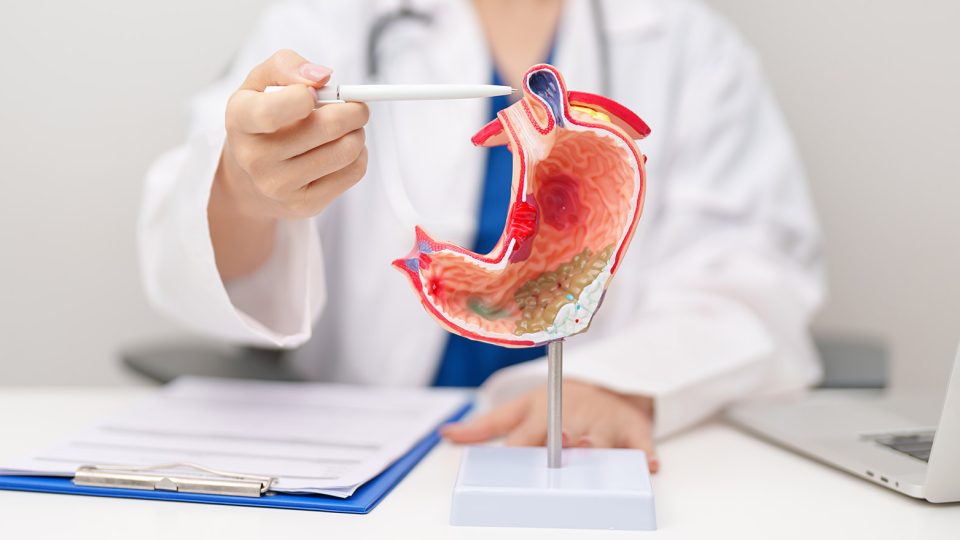
Bariatric surgery is a group of surgical procedures that alter the stomach and, in some procedures, the small intestine. These operations are used to manage obesity and related health conditions. Different procedures work in different ways and have different risks, nutritional considerations and potential effects on weight and health.
This guide explains the main types of bariatric surgery available at OptiWeight in Melbourne, how the procedures differ, and factors to consider when choosing between them. This guide provides general information to help you prepare for a discussion with Dr Ashok Gunawardene. A clinical assessment is required to determine whether bariatric surgery is appropriate and, if so, which procedure may suit you.
What Is Bariatric Surgery?
Bariatric surgery, also referred to as metabolic or weight loss surgery, involves changing the digestive system to assist with the management of obesity. Most bariatric procedures are performed using laparoscopic (keyhole) surgery.
As a general guide, bariatric surgery may be considered for adults who:
- Have a body mass index (BMI) of 35 or above, or a BMI of 30 or above with a weight-related health condition, such as type 2 diabetes, high blood pressure or obstructive sleep apnoea
- Have not achieved adequate results with non-surgical approaches, including medical weight management
- Are willing and able to commit to long-term dietary changes, supplementation where required and ongoing follow-up
Surgery is not appropriate for everyone. A clinical assessment is required before deciding whether a procedure should be considered.
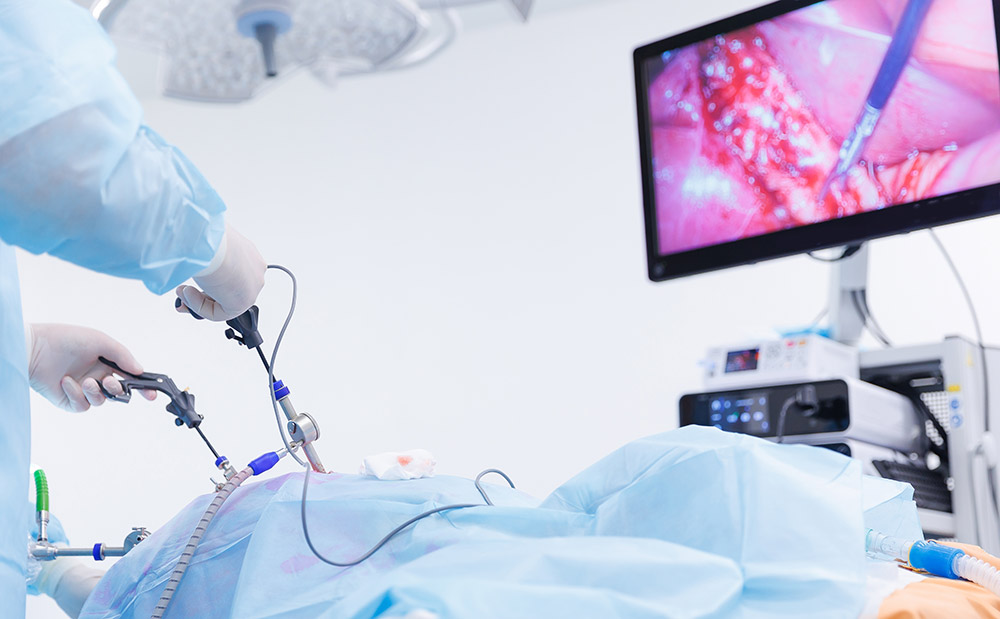
Most bariatric procedures are performed using laparoscopic (keyhole) surgery, with small incisions and specialised instruments to access the stomach and digestive system.
Types of Bariatric Surgery and Weight Loss Surgery Options
Dr Ashok Gunawardene performs the surgical procedures below. OptiWeight also offers a non-surgical balloon option.
Gastric Sleeve (Sleeve Gastrectomy)
A gastric sleeve, or sleeve gastrectomy, involves removing a large portion of the stomach and reshaping the remaining stomach into a narrower, tube-like structure. Unlike gastric bypass surgery, the small intestine is not rerouted.
As part of the stomach is permanently removed, a gastric sleeve cannot be reversed to restore the original stomach anatomy. Reflux symptoms can occur or become more pronounced in some people following surgery, which is one of the factors considered when discussing whether a sleeve is an appropriate option.
Roux-en-Y Gastric Bypass
A Roux-en-Y gastric bypass creates a smaller stomach pouch and connects it to a different section of the small intestine. This changes the pathway food takes through the digestive system and reduces the amount of the stomach and small intestine that food passes through.
The procedure involves two surgical connections, known as anastomoses. A Roux-en-Y gastric bypass may be considered in people with certain gastrointestinal symptoms or health considerations, including some people with reflux.
Mini Gastric Bypass (One-Anastomosis Gastric Bypass)
A one-anastomosis gastric bypass, sometimes called a mini gastric bypass, creates a long, narrow stomach pouch and connects it to a loop of the small intestine with a single surgical connection.
Like other gastric bypass procedures, it changes the way food passes through the digestive system and can affect nutrient absorption. Ongoing nutritional monitoring and supplementation are generally required following surgery.
Intragastric Balloon
An intragastric balloon is placed in the stomach through the mouth using an endoscope, without surgical incisions. The balloon occupies space within the stomach and is intended to be temporary, with removal required after the applicable treatment period.
OptiWeight offers balloon insertion and management, including Orbera and Spatz3 balloons. As an intragastric balloon does not permanently alter the anatomy, it differs from surgical bariatric procedures. Weight changes after balloon removal vary by individual and can be influenced by ongoing dietary, behavioural, and medical management.
Revision Surgery and Gastric Band Removal
Some people who have previously undergone bariatric surgery may require further assessment or treatment. Depending on the original procedure and the individual’s circumstances, options may include gastric band removal, conversion from one bariatric procedure to another, or revision of a previous gastric bypass.
Revision surgery can involve additional risks and considerations compared with primary bariatric surgery. A detailed assessment is required to determine whether further surgery is appropriate.
Types of Weight Loss Surgery at a Glance
| Procedure | Approach | Is the anatomy permanently changed? | Is the intestine rerouted? | Ongoing nutritional needs |
|---|---|---|---|---|
| Gastric sleeve | Surgical (keyhole) | Yes, part of the stomach is permanently removed | No | Nutritional monitoring and supplements may be required |
| Roux-en-Y gastric bypass | Surgical (keyhole) | Yes, reversal is complex and only considered in selected circumstances | Yes | Lifelong vitamin and mineral supplementation and monitoring |
| Mini gastric bypass | Surgical (keyhole) | Yes, reversal is complex and only considered in selected circumstances | Yes | Lifelong vitamin and mineral supplementation and monitoring |
| Intragastric balloon | Non-surgical (endoscopic) | No, the balloon is temporary | No | Dietary guidance and follow-up during treatment |
What Results Could You Potentially Expect From Bariatric Surgery?
Outcomes after bariatric surgery vary by individual and depend on factors including the procedure performed, starting weight, health, and ongoing follow-up. Weight generally changes most rapidly in the early stages after surgery, before the rate of weight loss slows over time. Some people may also experience weight regain in the years following surgery.
Bariatric surgery may also be associated with changes in some weight-related health conditions. According to research conducted, among people receiving treatment for type 2 diabetes at the time of surgery, approximately 72% were no longer receiving diabetes treatment one year after surgery, while 61% remained free of treatment at five years.
These figures describe outcomes observed in a population and should not be interpreted as a prediction of an individual’s outcome. Other weight-related conditions, including high blood pressure and obstructive sleep apnoea, may also change following surgery.
Outcomes may be influenced by factors including:
- The type of procedure performed
- Starting weight and overall health
- Existing weight-related health conditions
- Dietary and lifestyle factors following surgery
- Adherence to recommended nutritional supplementation and follow-up care
Individual outcomes vary, and no particular amount of weight loss or improvement in a health condition can be guaranteed.

Choosing the most appropriate bariatric procedure involves reviewing factors such as your overall health, medical history, weight management history and nutritional needs.
How Much Does Bariatric Surgery Cost in Melbourne?
The cost of bariatric surgery varies depending on the procedure, your individual circumstances and whether you have private health insurance. For self-funded patients, indicative estimates at OptiWeight are:
| Procedure | Typical estimate (self-funded) |
|---|---|
| Intragastric balloon insertion | Approximately $7,000 |
| Gastric sleeve | Approximately $20,000 – $22,000 |
| Mini gastric bypass | From approximately $25,000 |
| Roux-en-Y gastric bypass | Approximately $25,000 – $28,000 |
| Revisional gastric bypass | Approximately $30,000 |
These are indicative estimates and may vary depending on your individual circumstances and the treatment provided. The estimate typically includes hospital and theatre costs, consumables, and surgeon, assistant surgeon and anaesthetist fees. Your personalised, itemised quote will outline the costs included and identify any additional expenses, which may include pre-operative investigations, dietitian appointments or follow-up care.
If you have private health insurance, your policy may cover some hospital and theatre costs depending on your level of cover, waiting periods, exclusions and the specific procedure. You may still have out-of-pocket expenses, including any applicable excess and fees that are not covered by your health fund or Medicare.
Medicare and private health fund rebates may be available for eligible patients, depending on the relevant Medicare item numbers and your individual circumstances. Your health fund can confirm what your policy covers and whether any waiting periods or exclusions apply.
Following your consultation, the OptiWeight team will provide a personalised, itemised estimate outlining the expected costs of your treatment before you decide whether to proceed.
Potential Risks of Bariatric Surgery
Bariatric surgery is a major surgical procedure and, like all surgery, carries potential risks and complications. General risks may include:
- Bleeding, infection or blood clots
- Reactions or complications related to general anaesthesia
- Injury to the stomach, bowel or surrounding organs
- Leakage from a staple line or surgical connection, which may require further treatment or surgery
- Gallstones, which can occur following rapid weight loss
- Weight regain, persistent or recurrent symptoms, or the need for further treatment or procedures
This is not a complete list of potential risks and complications. The risks also vary between procedures and according to your individual circumstances. Dr Ashok will discuss the potential risks and benefits, limitations and alternatives relevant to you before you decide whether to proceed.
How the Most Appropriate Procedure is Chosen
The choice of bariatric procedure is based on an individual clinical assessment, which may consider your BMI, overall health, weight-related conditions such as type 2 diabetes or reflux, previous abdominal surgery, weight management history, nutritional requirements and other relevant clinical factors.
At OptiWeight, your care typically includes:
Consultation: In person or by telehealth, Dr Ashok reviews your medical history, weight management history and other factors relevant to your treatment options.
Investigations: Where clinically indicated, these may include a gastroscopy, a sleep study, an echocardiogram or oesophageal manometry.
Dietitian support: You will meet with an OptiWeight bariatric dietitian to discuss nutrition and preparation for surgery. Psychological care may also be recommended where appropriate. A pre-operative liver-reducing diet may also form part of your preparation.
Surgery: If surgery is considered appropriate and you choose to proceed, procedures are performed at Northern Private Hospital in Epping or St Vincent’s Private Hospital in Werribee.
Follow-up: Dr Ashok typically reviews patients at 2 weeks, 6 weeks, 12 weeks, 6 months and 12 months, with longer-term follow-up offered every 6 to 12 months. The timing of appointments may vary according to your procedure and individual clinical needs.
Considering Your Bariatric Surgery Options at OptiWeight
Choosing whether to undergo bariatric surgery, and which procedure may be appropriate, is an individual decision. A consultation with specialist general surgeon Dr Ashok Gunawardene gives you the opportunity to discuss your medical history, available treatment options, and the potential risks, benefits, limitations, and alternatives.
You can ask questions and discuss what is involved before deciding whether to proceed with surgery or another treatment approach.
Frequently asked questions
What are the most common types of bariatric surgery?
Sleeve gastrectomy and gastric bypass are among the most commonly performed types of bariatric surgery in Australia. Each procedure works differently and has different considerations, including how it changes the digestive system, nutritional requirements, and potential risks. The most appropriate procedure depends on your individual health, medical history, weight-related conditions and circumstances.
How does bariatric surgery help with weight loss?
Bariatric surgery can help with weight loss by changing the way the stomach and digestive system handle food. Procedures such as gastric sleeve reduce stomach size, so you can eat less at a time and may feel full sooner. Bariatric surgery can also affect hormones and signals involved in hunger, appetite, and fullness, which may change how much you want to eat. Gastric bypass procedures additionally change the pathway food takes through the digestive system and can alter how some nutrients are absorbed.
How much weight can you lose after bariatric surgery?
Weight loss after bariatric surgery varies by individual and depends on factors such as the procedure performed, starting weight, overall health, and ongoing follow-up. Some people lose substantial amounts of weight, while others experience more modest changes or regain some weight over time. Individual outcomes cannot be guaranteed, and Dr Ashok can discuss the factors that may influence your individual outcome.
What are the different types of bariatric surgery?
There are several types of bariatric surgery, and each changes the digestive system differently. Gastric sleeve (sleeve gastrectomy) involves removing part of the stomach to create a smaller, narrower stomach. Roux-en-Y gastric bypass creates a smaller stomach pouch and reroutes part of the small intestine, while one-anastomosis gastric bypass (mini gastric bypass) creates a smaller stomach pouch and changes the pathway food takes through the small intestine. Intragastric balloons are a non-surgical, temporary option placed into the stomach through an endoscope and do not permanently alter the digestive system.
Other procedures and revision bariatric surgery may also be considered in certain circumstances, particularly for people who have previously undergone bariatric surgery. The most appropriate option depends on factors such as your health, medical history, previous procedures and individual circumstances.
Which type of bariatric surgery is the safest?
No bariatric procedure is considered the safest for everyone. Each procedure has its own potential risks, benefits and long-term considerations, and the risk profile can also vary depending on a person’s health and medical history. Dr Ashok can discuss the potential risks of each suitable option and help you understand which procedures may be appropriate for your circumstances.
Which bariatric surgery has the best results?
No single procedure produces the same results for everyone. Different bariatric procedures can affect weight, health conditions, nutrition, and long-term management differently. The most appropriate option depends on factors such as your health, medical history, starting weight, weight-related conditions and individual circumstances. Dr Ashok can discuss the potential outcomes and limitations of the procedures that may be suitable for you.
This page is general information only and is not a substitute for personalised medical advice. Weight loss surgery and non-surgical weight loss are significant decisions with benefits and risks that differ for each person. Outcomes vary and cannot be guaranteed. Please consult Dr Ashok Gunawardene or your GP to discuss whether a procedure is appropriate for your individual circumstances.