A practice built around one belief— obesity deserves specialist care.
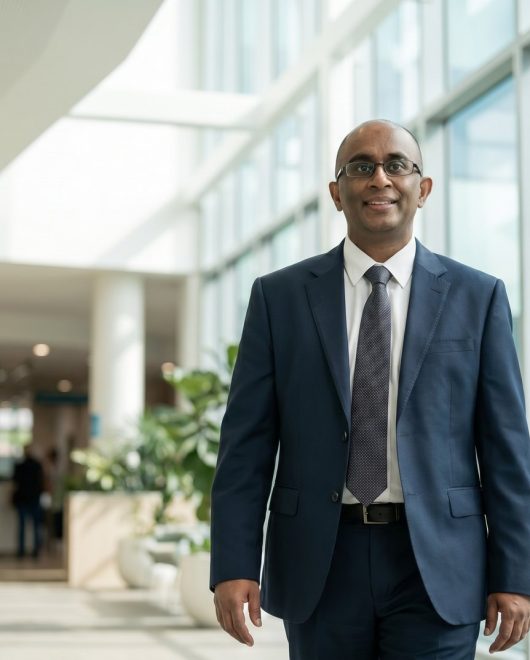
OptiWeight is a Melbourne specialist-led weight-loss practice founded by Dr Ashok Gunawardene, FRACS. Fifteen years across the UK, New Zealand and Australia. A judgement-free, multidisciplinary approach designed for results that last — and patients who don’t get rushed.
OptiWeight is a Melbourne specialist-led weight-loss practice founded by Dr Ashok Gunawardene, FRACS. Fifteen years across the UK, New Zealand and Australia. A judgement-free, multidisciplinary approach designed for results that last — and patients who don’t get rushed.
“We treat obesity as a medical condition — never a moral failing.”
✦ Why we exist
Most patients walk in having spent decades blaming themselves.
The science is clear. Weight is shaped by hormones, genetics, metabolism and decades of life. Willpower-and-good-intent rarely works for long — and was never meant to.
OptiWeight exists to offer something honest: a specialist-led plan that meets you where you are. Medical pathways. Surgical pathways. Bridges between them. And a clinical team that treats you as a person — not a number on a scale.
Dr Ashok Gunawardene, FRACS
Founder & Director
✦ The path here
A Leeds anatomy lab. A Birmingham hospital. A Wellington research bench. A Melbourne theatre.
Dr Ashok’s path began in the dissection rooms of the University of Leeds and the wards of Birmingham, where he was awarded his medical degree with Honours. He earned Membership of the Royal College of Surgeons of England, then crossed the world to complete a PhD at the University of Otago — researching the relationship between systemic inflammation and surgical outcomes.
Today, he is a Fellow of the Royal Australasian College of Surgeons (FRACS), a GESA-accredited endoscopist for both upper and lower endoscopy, and an Examiner for RACS — helping to train and credential the next generation of Australian and New Zealand surgeons.
Three countries. Fifteen years. One conviction — that bariatric surgery, done thoughtfully, can change the entire arc of a person’s life.
Training
✦ By the numbers
A practice measured — not estimated.
15 yrs
Clinical experience across the UK, NZ and Australia
1–2 wks
Typical wait from enquiry to first consultation
6×
Scheduled follow-ups in the first year, then 6–12 monthly for life
5
Locations across Melbourne’s North and West, plus telehealth Australia-wide
✦ Our method
Thorough. Meticulous. Unrushed.
OptiWeight is built on three principles. Safety first — every patient is assessed against current evidence, with all relevant pre-operative investigations (gastroscopy, sleep studies, echo, manometry where required). Real choice — surgery is one tool of many, and patients are offered medical, non-surgical, and surgical pathways so the plan fits the person. Long view — follow-up doesn’t end at discharge. We see patients at 2 weeks, 6 weeks, 12 weeks, 6 months, 12 months, and every 6–12 months thereafter, for life.
Direct SMS & phone access to Dr Ashok in the peri-operative window
Multidisciplinary care: dietitians, psychology and anaesthetists embedded from day one
Latest powered-stapling technology with intelligent tissue-sensing firing
Bulk-billed telehealth for regional Victoria
Method
✦ You're never alone
A team built around your outcome.
Bariatric care is a team sport. With our in-house bariatric dietitians, clinical psychology partners and a panel of specialist anaesthetists, every OptiWeight patient is supported by a multidisciplinary team — before, during and long after surgery.
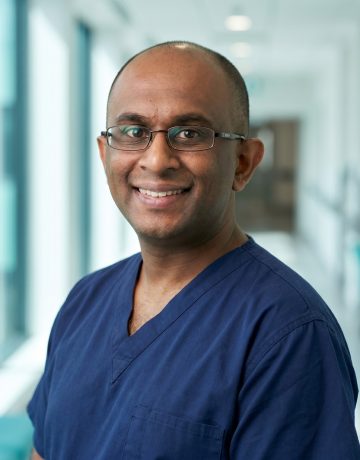
Dr Ashok Gunawardene
Specialist Bariatric Surgeon
FRACS, MBChB(Hons), PhD. Fifteen years across the UK, NZ and Australia, with subspecialist upper-GI training.
FRACS
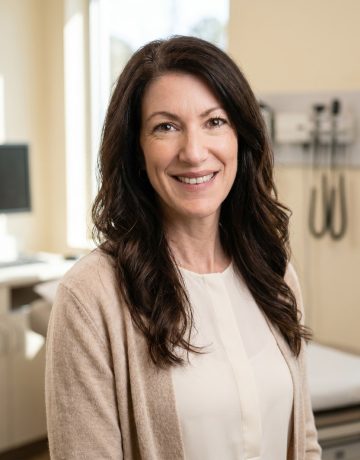
Loretta Bufalino
Bariatric Dietitian
Accredited Practising Dietitian with over 18 years’ experience. Member, Dietitians Australia. Individualised nutrition planning for pre- and post-operative bariatric patients.
APD
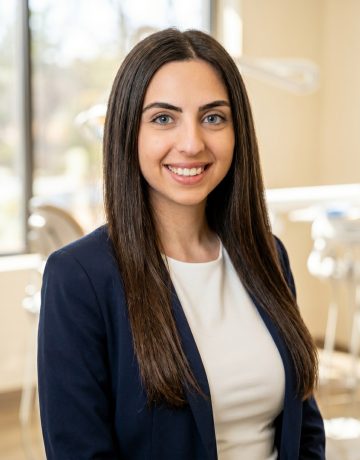
Sylina Abouzeid
Bariatric Dietitian
Bachelor of Human Nutrition and Master of Dietetic Practice (La Trobe). Compassionate, non-judgemental support for sustainable, long-term behaviour change.
APD
Dr David Lam
Specialist Anaesthetist
Bariatric and upper-GI anaesthesia specialist with two decades of theatre experience across Melbourne’s major private hospitals.
FANZCA
Dr Grigor Indjeian
Specialist Anaesthetist
Subspecialty interest in safe airway management and recovery for higher-BMI bariatric patients. Calm, methodical and meticulously prepared.
FANZCA
Dr Raphael Pyo
Specialist Anaesthetist
Focused on opioid-sparing, enhanced-recovery techniques for laparoscopic bariatric surgery — getting patients home sooner, comfortable and clear-headed.
FANZCA
Shruti Gupta
Psychologist
Experienced registered psychologist providing compassionate, collaborative care for trauma, anxiety, depression, grief, stress, relationship challenges and chronic pain. Fluent in Hindi, Punjabi and Urdu.
FANZCA
✦ The craft
Minimally invasive, maximally considered.
Every procedure is laparoscopic. Dr Ashok uses the latest powered surgical staplers with intelligent tissue-sensing firing — devices that sense the thickness of stomach or bowel tissue and fire accordingly, delivering an evenly compressed staple line every time.
Where suitable, we use tristaple technology for added staple-line security. The result: shorter operating times, smaller incisions, lower complication rates, faster recovery, and patients home sooner.