If you have spent ten minutes searching online for bariatric surgery, you will have read confident opinions on both sides. The sleeve is simpler, you’ll see. The bypass is more powerful. The sleeve has fewer complications. The bypass cures diabetes. The sleeve causes reflux. The bypass causes vitamin deficiency.
All of these statements are true some of the time. None of them is true for everyone. The right question is not “which procedure is better” — it is “which procedure is right for this person, this body, this comorbidity profile, this life.”
Here is how that conversation actually unfolds in clinic.
Table of Contents
ToggleStart with what the two operations actually do
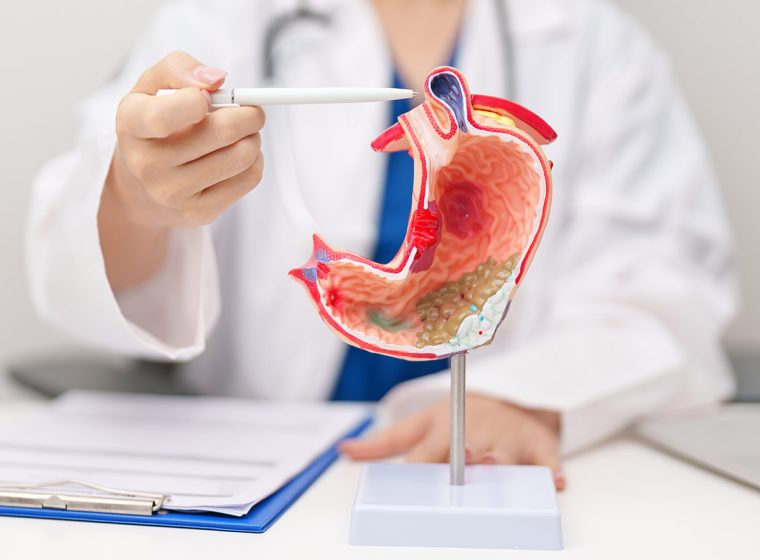
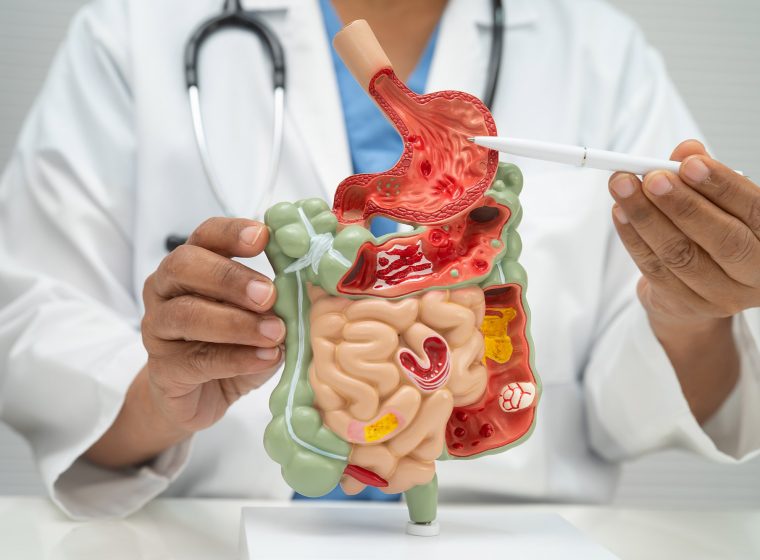
The laparoscopic sleeve gastrectomy removes roughly 75–90% of the stomach, leaving a narrow tubular sleeve. The fundus — the part of the stomach that produces most of the body’s ghrelin, the dominant hunger hormone — goes with it. Most of the weight-loss effect comes from suppressed appetite and reduced capacity. Anatomy is otherwise preserved.
The Roux-en-Y gastric bypass creates a small stomach pouch and reroutes part of the small intestine in a “Y” configuration. Food bypasses the rest of the stomach and the proximal small bowel. This reduces capacity, alters hunger and fullness hormones, and changes the way bile and enzymes mix with food. The metabolic effects on diabetes, reflux and blood lipids are the strongest of any common bariatric procedure.
Then layer on the questions that actually decide it
Do you have type 2 diabetes?
If your HbA1c is poorly controlled, especially on insulin or multiple oral agents, the bypass usually wins. Up to 80% of selected diabetic patients reach drug-free remission after a Roux-en-Y bypass. The sleeve also improves diabetes — about 50% remission rates — but the metabolic effect of bypass is more powerful, faster, and more durable.
Do you have significant reflux?
If you experience regular heartburn, take a daily PPI, or have endoscopic evidence of Barrett’s oesophagus, the bypass is almost always the right call. The sleeve, by removing the upper-stomach buffer and increasing pressure on the lower oesophageal sphincter, can worsen reflux in roughly a third of patients. The bypass treats reflux better than any anti-reflux operation we have.
What is your BMI?
For BMI 35–50 without major reflux or diabetes, both operations work well. Most patients in this band choose sleeve, partly because the recovery is a touch faster and the operation is simpler.
For BMI 50+, the bypass tends to do more work. The malabsorptive component adds an extra five to ten percent of total weight loss compared to sleeve in this group, which can be the difference between knee-replacement-eligible and not.
Do you take medication for inflammatory bowel disease, regular NSAIDs, or have a strong family history of upper-GI cancer?
The sleeve preserves access to the stomach for future endoscopy, which matters if surveillance is required. The bypass excludes most of the stomach from view. This is one of the few situations where sleeve is preferred for reasons that have nothing to do with weight or metabolism.
What the comparative trials actually show
The two best randomised comparisons — SM-BOSS from Switzerland and SLEEVEPASS from Finland — followed sleeve and bypass patients for five and seven years respectively. Both showed:
- Roughly equivalent excess weight loss at five years (around 60% for both).
- Better diabetes remission in the bypass group.
- Better reflux outcomes in the bypass group.
- A modestly higher rate of revision in the sleeve group, largely for reflux.
- No difference in major early complication rates between the two operations.
The bottom line: if you have nothing pushing you toward bypass — no diabetes, no reflux, lower BMI, no family-history red flags — the sleeve is a reasonable, often excellent choice. If anything in the bypass column applies, the calculation shifts.
The wrong sleeve is much harder to undo than the wrong bypass. Choose with this in mind.
The conversation that doesn’t happen often enough
Most patients arrive having decided which procedure they want. They tend to want sleeve. The reasons are usually: “it’s simpler,” “my friend had it,” “I don’t want anything rerouted.”
These are reasonable instincts. They are not, on their own, reasons to choose surgery. My job is to walk you through the trade-offs in language you can follow, and then to recommend the operation that I would choose if I were sitting in your chair.
Sometimes that recommendation is the operation you came in wanting. Sometimes it isn’t. Either way, the conversation needs to happen before, not after.
The single most useful diagnostic
If you are considering bariatric surgery and have not yet had a recent upper gastroscopy, request one. It will tell us more about which procedure suits you than any number of online articles.
What does not change between the two operations
You will need a 2-week liver-reducing diet immediately before surgery. You will be in hospital one to three nights. You will be on clear fluids for week one, pureed food for week two, soft food for weeks three and four. You will see a dietitian at every step. You will see me at 2 weeks, 6 weeks, 12 weeks, 6 months, 12 months and every 6–12 months thereafter for life.
Both operations work because of the follow-up, not just the day in theatre. Choose the operation that fits your physiology — but choose a practice that takes the long view of the work that comes after.