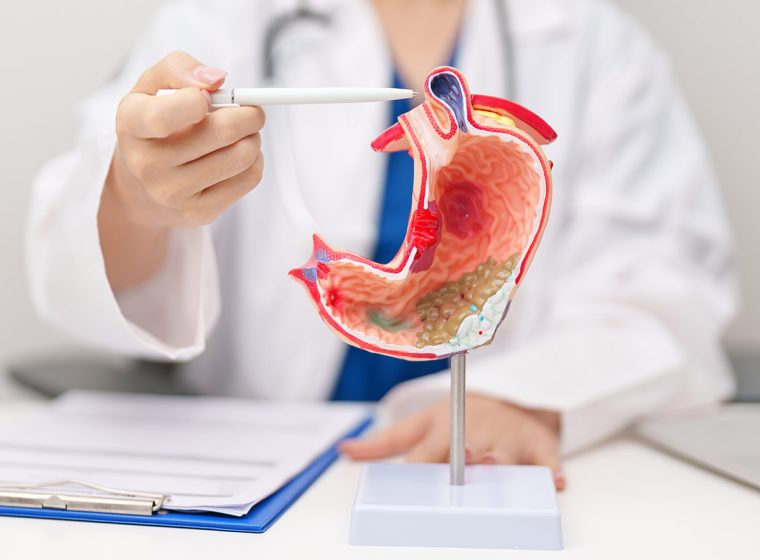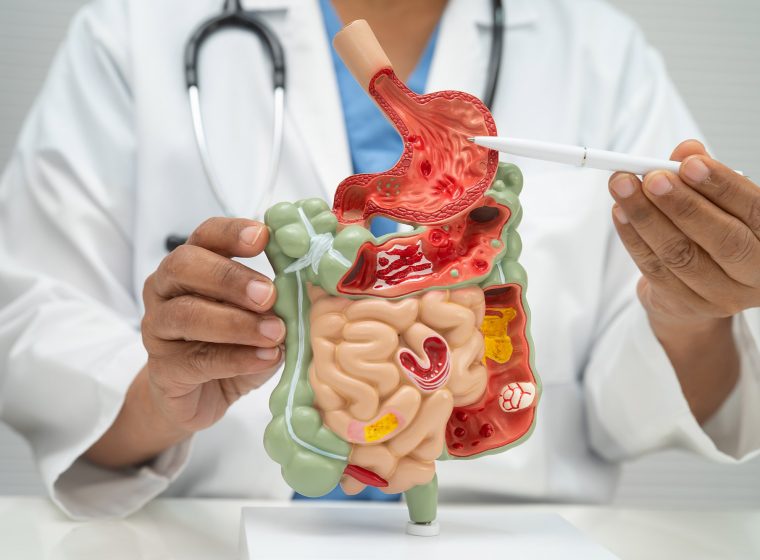
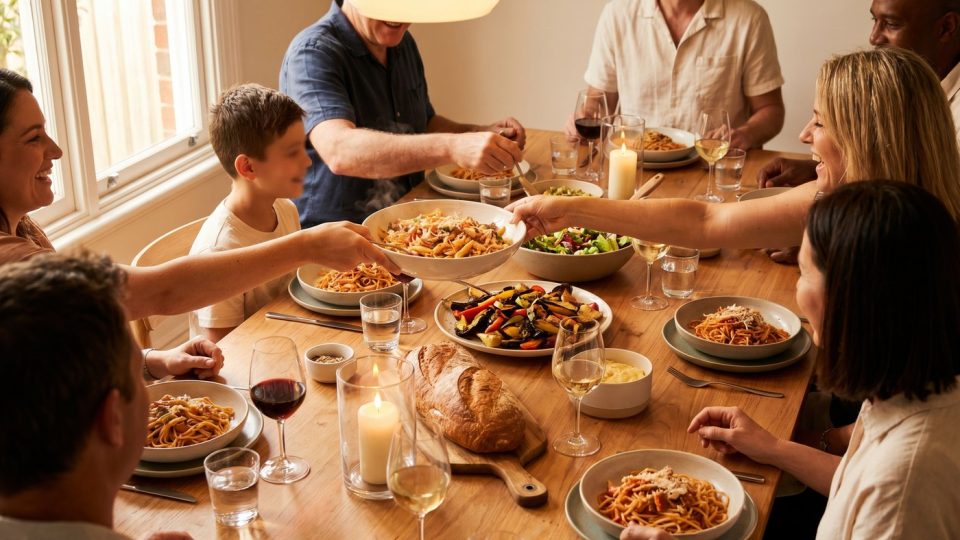
I work with bariatric patients from every kind of family. Italian, Lebanese, Greek, Vietnamese, Anglo-Australian, Pacific Islander, South Asian. The cuisines could not be more different. The dynamic, in almost every case, is identical: food is love. To not eat is, on some level, to refuse love.
This is a guide for the patient who is six weeks post-op and walking into their first big family lunch. It is not about willpower. It is about choreography. With a small amount of planning, you can attend the same gatherings, sit at the same tables, share in the same warmth — and not derail your recovery.
Table of Contents
ToggleDecide before you arrive
The single most useful habit is deciding what you will and won’t eat before you walk in the door. Decisions made in the moment, surrounded by aromas and family pressure, are unreliable. Decisions made calmly in the car park are not.
A useful template:
- One small protein-led plate as the main meal.
- A taste of one or two dishes that matter culturally — Nonna’s lasagne, Mum’s biryani — taken deliberately, slowly, with intention.
- Water sipped between, not during, food.
- An honest stop point. “Two bites and I’m done.” Then stop.
The plan is not strict. It is specific. Specificity beats willpower every time.
The “are you sure you don’t want more?” problem
This is the moment that catches every new bariatric patient off guard. The plate is barely touched. The host notices. The questions begin. The expectation builds.
The most useful tool is a single rehearsed line. It does not need to be honest about the surgery — that is your call. It needs to be warm, definite, and conversation-ending.
“It’s beautiful, thank you. I’ve had as much as I can manage today.”
Said with a smile and warmth, repeated calmly if pushed, this almost always works. If the host is family, you can be more direct: “I had stomach surgery — small portions are part of the deal now.” Most people will be supportive once they understand. Some will be hurt. The hurt is not yours to fix.
What to actually do with the plate
The mechanics matter more than people realise. Some patients describe feeling embarrassed at how slowly they now eat, or at how much food they leave behind. Two simple moves help.
First, ask for a smaller plate. Most hosts will happily produce one. A smaller plate makes a small portion look complete.
Second, use a fork and pause. Eat two or three bites. Put the fork down. Drink water. Talk to the person next to you. Pick the fork up again. This rhythm — eat, pause, talk, eat, pause, drink — is the rhythm of every long Mediterranean meal in history. You are not eating differently from your grandmother. You are eating in a way that suits a new stomach.
The “save for later” trick
Many cultures consider it deeply impolite to leave food on the plate. Carry a small reusable container. Slide the second half of your portion in and take it home. Most hosts are delighted — you’ve signalled that the food was good enough to take with you.
Drinks, especially
Wine, beer, soft drinks and juice are calorie-dense and will fill your pouch with little nutrition. Worse, alcohol absorbs much faster after bariatric surgery — the first sip will hit harder and last longer than it used to.
For long family events, build in a stretch of sparkling water with lemon between every alcoholic drink. Hold a glass. Most of the social work of drinking is having something in your hand.
The food you can almost always say yes to
Most family cuisines contain plenty of foods that are perfect for the post-op patient. The trick is to know yours.
- Italian: osso buco, baked fish, ricotta, lean meat sugo (just less pasta).
- Lebanese / Greek: grilled lamb skewers, hummus, tabbouleh, baba ghanoush, fish.
- Vietnamese / Cambodian: grilled meats, light broths, fresh herbs and greens.
- Indian / Pakistani: tandoori, dahl, paneer, raita, grilled fish.
- Chinese / Cantonese: steamed fish, soup-based dishes, stir-fried greens, tofu.
- Anglo-Australian: roasted meats and fish, soups, omelettes.
These foods are protein-led, slowly paced, and culturally embedded. You are not eating outside your family’s tradition — you are eating the most nutritious parts of it.
The people who struggle the most
It will not, usually, be you. It will be the family member whose love language is feeding you, and who experiences your new pattern as rejection. Mothers, aunts, grandmothers — most often.
Two things help. First, find a separate way to receive their love. Ask them to teach you to cook the dish. Ask for the recipe. Sit with them while they cook and watch. This communicates that you still want their food culture; you just have a smaller pouch now.
Second, give them a job. Bring a small container to fill with leftovers. Take an extra portion home “for tomorrow’s lunch.” It allows them to feed you without watching you eat in a way that pains them.
You will get this wrong sometimes
You will overeat at Christmas. You will feel uncomfortably full at a wedding. You will accidentally drink too much at a friend’s fortieth. None of this means your surgery has failed. It means you are a human being in a culture that gathers around food.
The patients who do best are not the ones who attend zero family events for two years. They are the ones who attend most of them, navigate them imperfectly, and don’t punish themselves for it. The compass corrections at the next meal are what matter.
Your stomach has changed. Your culture hasn’t. Both can keep you alive.