
Home » Procedures » Gastric Sleeve Surgery
Modern laparoscopic theatres
Gastric sleeve surgery, also known as sleeve gastrectomy, is a bariatric procedure that may be considered for selected adults living with obesity, particularly when weight is affecting health, mobility, or quality of life, or when previous weight management approaches have not provided sufficient support.
At OptiWeight, gastric sleeve surgery is part of a wider, team-based approach to weight management. Specialist general surgeon Dr Ashok Gunawardene will assess your health history, weight history, risks, goals and clinical needs before discussing whether sleeve gastrectomy may be appropriate for your circumstances.

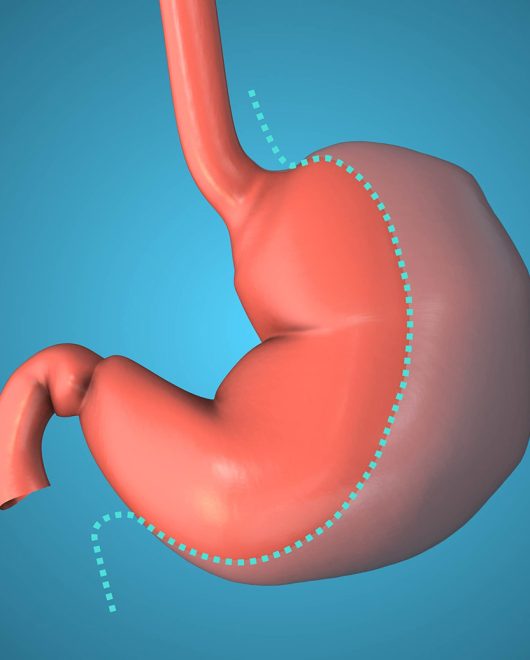
Gastric sleeve surgery is a procedure that removes part of the stomach, leaving a narrower, sleeve-shaped stomach. It is usually performed using keyhole (laparoscopic) techniques. By reducing the size of the stomach, the procedure may reduce the amount of food a person can comfortably eat at one time.
The surgery may also influence appetite-related signals, thereby affecting feelings of hunger and fullness. Unlike some other bariatric procedures, gastric sleeve surgery does not reroute the intestine, so the digestive pathway remains largely unchanged.
Gastric sleeve surgery permanently changes the structure of the stomach, so suitability is always determined through an individual assessment of your health history, weight management history, risks, goals and clinical needs. It should be considered as part of a broader weight management plan rather than a standalone solution.
When clinically appropriate and combined with ongoing lifestyle changes, gastric sleeve surgery may offer benefits beyond weight loss alone. Depending on your individual health and circumstances, potential benefits may include:
As gastric sleeve surgery does not reroute the intestine, nutritional monitoring requirements may differ from bypass procedures. However, ongoing follow-up and nutritional guidance are still important after surgery.
Outcomes vary between individuals and depend on factors such as your health history, the procedure performed, your recovery and your ongoing lifestyle changes. During your consultation, Dr Ashok will provide clear guidance about what gastric sleeve surgery may offer in your individual circumstances.
Gastric sleeve surgery is not suitable for everyone, and suitability is determined through individual clinical assessment. As a general guide, it may be considered for adults who:
Your overall health, medical history, weight history, risk profile and readiness for surgery are also taken into account. Some patients may be better suited to a different bariatric procedure, which is why a personalised assessment with Dr Ashok is the most appropriate way to determine whether gastric sleeve surgery may be suitable for you.

The cost of gastric sleeve surgery in Melbourne varies depending on your individual circumstances and your level of private health insurance. For self-funded patients, an all-inclusive laparoscopic sleeve gastrectomy starts from approximately $20,000.
If you have appropriate private health insurance, your out-of-pocket costs may be lower, as some hospital and theatre fees may be covered by your health fund. Medicare and private health fund rebates may also apply, subject to eligibility criteria.
During your consultation, the OptiWeight team will provide an itemised estimate of fees and expected out-of-pocket costs before any treatment is arranged. You are encouraged to contact the clinic if you have questions about consultation fees, procedure costs, rebates or funding options.
During your consultation, Dr Ashok will assess your health, weight history and any weight-related health concerns. He will discuss whether gastric sleeve surgery may be appropriate for your circumstances, including the potential benefits, risks, limitations and recovery considerations.
Before surgery, some patients may need further assessment or preparation. This may include investigations such as a gastroscopy, sleep study, echocardiogram or manometry, depending on your symptoms, medical history and risk profile.
You will also be supported by a bariatric dietitian from OptiWeight’s multidisciplinary team, who will provide guidance on eating behaviours, nutritional safety and the two-week liver-reducing diet before your surgery.
If you proceed with gastric sleeve surgery, your procedure will be performed by Dr Ashok at either Northern Private Hospital in Epping or St Vincent’s Private Hospital in Werribee. The procedure is performed under general anaesthesia and commonly uses keyhole, or laparoscopic techniques.
During laparoscopic sleeve gastrectomy, small incisions are used to insert a camera and surgical instruments. Part of the stomach is removed using surgical stapling techniques, and the remaining stomach is shaped into a narrower sleeve. This permanently changes the size and structure of the stomach. The specific details of your procedure, including risks and recovery considerations, will be explained before surgery.
After surgery, you will receive guidance on recovery, eating progression, activity levels and follow-up care. Dr Ashok will usually review surgical patients at 2 weeks, 6 weeks, 12 weeks, 6 months and 12 months after surgery, with longer-term follow-up available at 6–12 monthly intervals. Ongoing nutritional and clinical support forms an important part of care after gastric sleeve surgery.
Gastric sleeve surgery is a major procedure and, like all surgery, carries risks. Potential risks may include:
This is not a complete list of all possible risks. Dr Ashok will discuss the potential risks relevant to your procedure and circumstances during your consultation.

FRACS
MBChB Hons
GESA
PhD
ANZMOSS
Dr Ashok Gunawardene is a registered specialist general surgeon with subspecialist training in upper gastrointestinal and weight loss surgery. With over 15 years of clinical experience across the United Kingdom, New Zealand and Australia, he brings a considered, evidence-informed approach to weight management care.
As Director of OptiWeight, Dr Ashok supports patients through both surgical and non-surgical treatment pathways, helping them understand their options and make informed decisions about their health. His approach focuses on ensuring patients feel supported, informed and respected throughout their care.
“My approach is simple: I want every patient to feel safe, supported, and never rushed. Surgery is a tool – your long-term health is the goal.”

Deciding whether gastric sleeve surgery may be suitable for you is an important decision. At OptiWeight, an initial consultation with Dr Ashok Gunawardene gives you the opportunity to ask any questions you might have about the process. Dr Ashok will also explain whether gastric sleeve surgery may be appropriate for your circumstances and what your care pathway could involve.
Gastric sleeve surgery reduces the size of the stomach by removing part of it, leaving a narrower, sleeve-shaped stomach. This may reduce how much food a person can comfortably eat and may also influence appetite-related signals. The procedure does not reroute the intestine, so the digestive pathway remains largely unchanged.
The duration of gastric sleeve surgery depends on your individual circumstances and the details of your procedure. As a general guide, gastric sleeve surgery typically takes 60 to 90 minutes, though this can vary. The procedure is commonly performed under general anaesthesia using keyhole, or laparoscopic, techniques. Dr Ashok will explain the expected duration and details of your procedure during the consultation.
Gastric sleeve surgery is a commonly performed bariatric procedure in Australia, but it is still a major surgery and carries risks. These may include bleeding, infection, blood clots, reactions to anaesthesia, leakage from the staple line, reflux symptoms, nutritional deficiencies or the need for further treatment. Your individual risk depends on your health history, the procedure and your circumstances. During your consultation, Dr Ashok will discuss all potential risks and considerations with you.
You should not feel pain during gastric sleeve surgery because it is performed under general anaesthesia. Some pain or discomfort after surgery, however, is expected, especially around the incision sites or abdomen. Any discomfort is usually managed with pain relief as part of your recovery care. The level of discomfort varies between patients, and your care team will explain what to expect and when to seek medical advice.
Gastric sleeve surgery permanently alters the stomach’s structure. However, weight and health outcomes can still vary over time and depend on factors such as eating habits, lifestyle changes, follow-up care and individual health circumstances. Some patients may experience weight regain over time, which is why ongoing support and monitoring form an important part of care.
Yes, gastric sleeve surgery is a major procedure performed under general anaesthesia and involves permanent changes to the stomach. It requires careful assessment, preparation and discussion of the potential benefits, risks, recovery considerations and alternatives.
Gastric sleeve surgery is generally performed once because it permanently reduces the size of the stomach. It is not usually repeated as another sleeve procedure. If there are concerns after a previous sleeve, such as reflux, complications, weight regain, or inadequate response, revisional bariatric surgery may be considered in selected cases. Revisional surgery is more complex than a first procedure and requires specialist assessment.
Whether gastric sleeve surgery is appropriate for you depends on your health, goals, risks and individual circumstances. It is a significant procedure with potential benefits and risks, and it requires ongoing dietary changes, follow-up care and lifestyle support. A consultation with Dr Ashok can help you determine whether gastric sleeve surgery may be suitable for your situation.
This page is general information only and is not a substitute for personalised medical advice. Weight loss surgery is a significant decision with benefits and risks that differ for each person. Outcomes vary and cannot be guaranteed. Please consult Dr Ashok Gunawardene or your GP to discuss whether a procedure is appropriate for your individual circumstances.